Module 1: Introduction to Health Information Security
Explore the fundamentals of health information security, regulatory requirements, and common threats in the healthcare industry.
This course provides in-depth knowledge on advanced security measures to protect sensitive health information. Ideal for IT professionals, cybersecurity experts, and healthcare professionals looking to enhance their skills. The course stands out for its practical approach, industry-specific focus, and career advancement opportunities for participants.
4.5/5
|128 reviews
|642 students enrolled
Comprehensive, industry-recognized certification that enhances your professional credentials
Self-paced online learning with 24/7 access to course materials for maximum flexibility
Practical knowledge and skills that can be immediately applied in your workplace
Explore the fundamentals of health information security, regulatory requirements, and common threats in the healthcare industry.
Dive into advanced security technologies and tools used to secure health information systems and networks.
Understand the importance of compliance frameworks and governance structures in maintaining security in healthcare organizations.
Learn how to effectively respond to security incidents and recover from data breaches in healthcare environments.
Explore the latest trends and technologies shaping the future of health information security.
Examine the legal and ethical aspects of health information security, including privacy concerns and ethical decision-making.
This programme includes comprehensive study materials designed to support your learning journey and offers maximum flexibility, allowing you to study at your own pace and at a time that suits you best.
You will have access to online podcasts with expert audio commentary.
In addition, you'll benefit from student support via automatic live chat.
Assessments for the programme are conducted online through multiple-choice questions that are carefully designed to evaluate your understanding of the course content.
These assessments are time-bound, encouraging learners to think critically and manage their time effectively while demonstrating their knowledge in a structured and efficient manner.
Healthcare cybersecurity professionals are in high demand due to the increasing threats to patient data. This field offers diverse career paths and opportunities for growth.
Professionals can progress to roles such as Healthcare Security Analyst, Chief Information Security Officer (CISO), Security Consultant, and Compliance Manager. Continuous learning and certifications enhance career prospects.
Responsible for analyzing security risks, implementing safeguards, and ensuring compliance with healthcare regulations.
Oversees the organization's security posture, leads security initiatives, and manages cybersecurity teams.
Ensures healthcare organizations adhere to data protection laws and industry regulations, minimizing legal risks.
Networking opportunities in healthcare and cybersecurity communities, professional certifications like Certified Information Systems Security Professional (CISSP), further education paths in cybersecurity or healthcare management, and industry recognition for expertise in health information security.
Cybersecurity Consultant
"This course helped me develop incident response strategies for security breaches in healthcare systems, which I've successfully implemented for my clients, and I'm now confident in my ability to design secure architectures for protecting sensitive health data."
Health Information Manager
"I appreciated the course's focus on ensuring compliance with healthcare data protection regulations, which has been invaluable in my role, and I've been able to analyze and mitigate security risks in our healthcare system more effectively."
IT Security Specialist
"The course provided me with the knowledge to implement advanced security protocols to safeguard health information, and I've been able to apply these skills to improve the security posture of our healthcare organization's network infrastructure."
Clinical Data Analyst
"This course helped me understand the importance of protecting sensitive health information and taught me how to design secure data storage solutions, which has enhanced my ability to work with sensitive patient data and ensure its confidentiality, integrity, and availability."
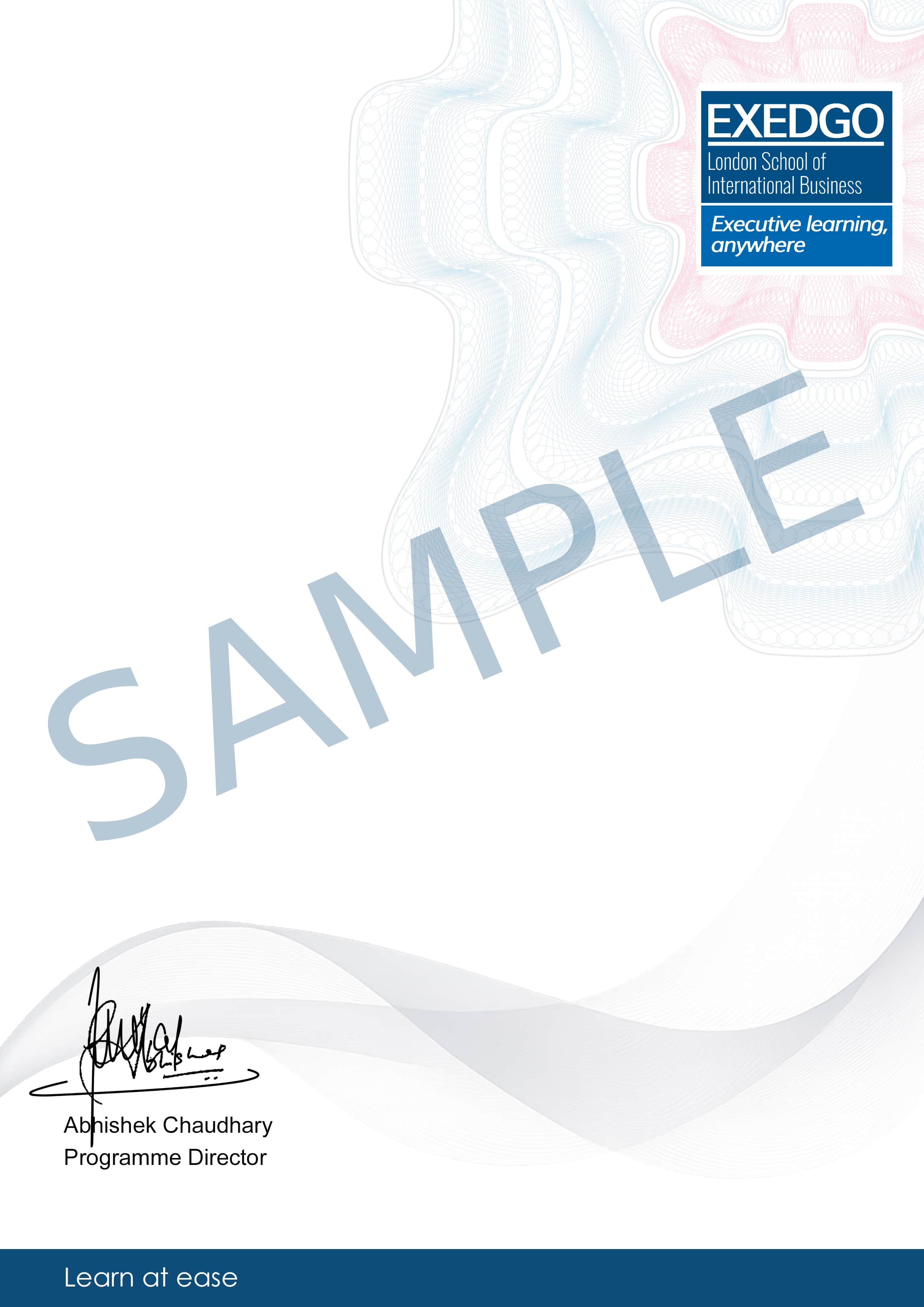
Upon successful completion of this course, you will receive a certificate similar to the one shown below:
No specific prior qualifications are required. However, basic literacy and numeracy skills are essential for successful completion of the course.
The course is self-paced and flexible. Most learners complete it within 1 to 2 months by dedicating 4 to 6 hours per week.
This course is not accredited by a recognised awarding body and is not regulated by an official institution. It is designed for personal and professional development and is not intended to replace or serve as an equivalent to a formal degree or diploma.
This fully online programme includes comprehensive study materials and a range of support options to enhance your learning experience: - Online quizzes (multiple choice questions) - Audio podcasts (expert commentary) - Live student support via chat The course offers maximum flexibility, allowing you to study at your own pace, on your own schedule.
Yes, the course is delivered entirely online with 24/7 access to learning materials. You can study at your convenience from any device with an internet connection.
Effective Communication Skills for Leading Health and Social Care Services for Children and Young People
This course focuses on developing effective communication s…
http:/[::1] Protocol Deep Dive: Ensuring Secure Data Transmission in Healthcare
This course provides a detailed exploration of HTTP/1 Proto…
Cybersecurity Essentials for Computing Technologies
This course covers essential cybersecurity principles for c…
Ethical Hacking Techniques for Computing (Cyber Security Technologist)
This course on Ethical Hacking Techniques for Computing is …
Disclaimer: This certificate is not intended to replace or serve as an equivalent to obtaining a formal degree or diploma. This programme is structured for professional enrichment and is offered independently of any formal accreditation framework.