Module 1: Introduction to Inclusive Teaching
This module provides an overview of inclusive teaching practices, the importance of diversity in education, and strategies for creating inclusive classrooms.
This course focuses on CertTEFL Inclusive Teaching Practices, equipping educators to support diverse learners in English language education. Ideal for English teachers, language instructors, and educators looking to enhance inclusivity. The course stands out for its practical strategies and hands-on approaches, leading to improved student engagement, retention, and success.
4.5/5
|128 reviews
|642 students enrolled
Comprehensive, industry-recognized certification that enhances your professional credentials
Self-paced online learning with 24/7 access to course materials for maximum flexibility
Practical knowledge and skills that can be immediately applied in your workplace
This module provides an overview of inclusive teaching practices, the importance of diversity in education, and strategies for creating inclusive classrooms.
Explore how to adapt teaching methods to cater to diverse learning styles, individual needs, and language proficiency levels.
Discover how technology can enhance inclusivity in English language education, including tools for accessibility and engagement.
Learn how to evaluate and improve teaching practices through reflection, feedback, and continuous professional development.
This programme includes comprehensive study materials designed to support your learning journey and offers maximum flexibility, allowing you to study at your own pace and at a time that suits you best.
You will have access to online podcasts with expert audio commentary.
In addition, you'll benefit from student support via automatic live chat.
Assessments for the programme are conducted online through multiple-choice questions that are carefully designed to evaluate your understanding of the course content.
These assessments are time-bound, encouraging learners to think critically and manage their time effectively while demonstrating their knowledge in a structured and efficient manner.
The field of English language education offers diverse career prospects with opportunities in language schools, international education, online teaching platforms, curriculum development, and teacher training.
Professionals can progress from classroom teaching roles to educational leadership positions, curriculum design specialists, language program coordinators, and academic advisors. Continuous professional development, advanced certifications, and specialization in areas like ESL or EFL can lead to higher career advancement.
Develops English as a Second Language (ESL) curriculum and educational materials for language programs.
Trains and mentors English as a Foreign Language (EFL) teachers on effective teaching practices and methodologies.
English language educators can benefit from networking opportunities at international conferences, obtaining advanced teaching certifications like DELTA or TESOL, pursuing further education paths in applied linguistics or educational technology, and gaining industry recognition for innovative teaching practices.
ESL Teacher
"The course helped me tailor my teaching methods to provide individualized support for diverse learners, resulting in increased student engagement and confidence."
Language Instructor
"I learned practical strategies to create inclusive learning environments that cater to different learning styles, leading to a more enriching educational experience for all students."
English Educator
"The course empowered me to use technology effectively to enhance accessibility for diverse learners, resulting in improved learning outcomes and student success."
TESOL Specialist
"I was able to evaluate and refine my teaching practices to promote diversity and inclusion, leading to a more equitable and supportive English language education environment."
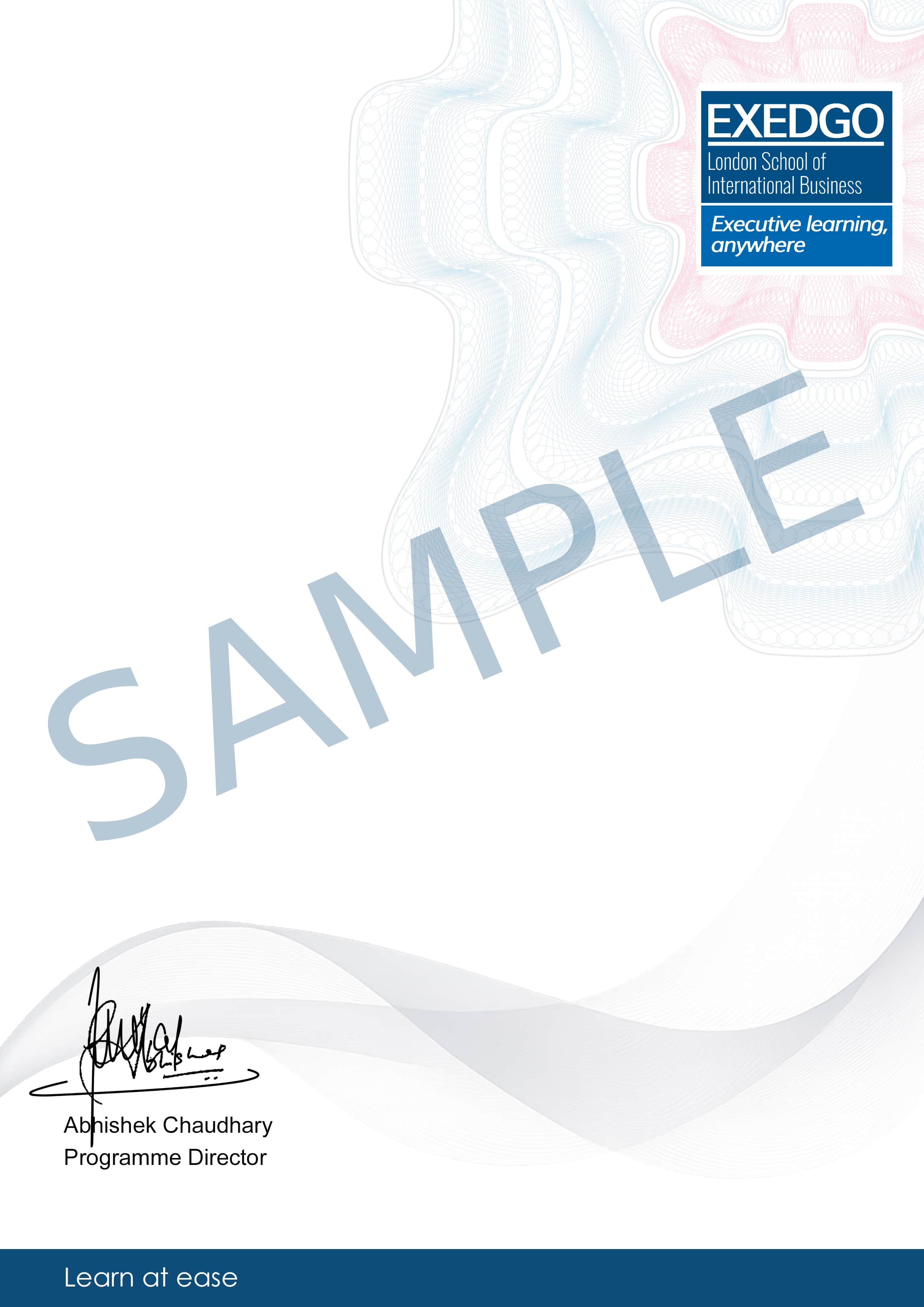
Upon successful completion of this course, you will receive a certificate similar to the one shown below:
No specific prior qualifications are required. However, basic literacy and numeracy skills are essential for successful completion of the course.
The course is self-paced and flexible. Most learners complete it within 1 to 2 months by dedicating 4 to 6 hours per week.
This course is not accredited by a recognised awarding body and is not regulated by an official institution. It is designed for personal and professional development and is not intended to replace or serve as an equivalent to a formal degree or diploma.
This fully online programme includes comprehensive study materials and a range of support options to enhance your learning experience: - Online quizzes (multiple choice questions) - Audio podcasts (expert commentary) - Live student support via chat The course offers maximum flexibility, allowing you to study at your own pace, on your own schedule.
Yes, the course is delivered entirely online with 24/7 access to learning materials. You can study at your convenience from any device with an internet connection.
Effective Differentiation Techniques for Diverse Learners with Disabilities
This course equips educators with advanced differentiation …
Financial Management Best Practices for Residential Childcare (England) Leaders
This course is designed to equip residential childcare lead…
Certificate in Observed Teaching Practice (TEFL) Assessment and Evaluation Methods
This course focuses on advanced TEFL assessment and evaluat…
Mentoring Best Practices in Educational Settings
This course is designed to equip educators and professional…
Disclaimer: This certificate is not intended to replace or serve as an equivalent to obtaining a formal degree or diploma. This programme is structured for professional enrichment and is offered independently of any formal accreditation framework.