Module 1: Introduction to Data Integration
This module provides an overview of data integration concepts and the importance of integration in data analysis.
This course is designed to equip Meta Data Analysts with advanced data integration techniques, making them proficient in handling complex data structures and enhancing their analytical skills. It is ideal for professionals seeking to excel in data management and analysis, and stands out with its practical, hands-on approach and real-world applications. Participants will gain a competitive edge in the industry and boost their career prospects significantly.
4.5/5
|128 reviews
|642 students enrolled
Comprehensive, industry-recognized certification that enhances your professional credentials
Self-paced online learning with 24/7 access to course materials for maximum flexibility
Practical knowledge and skills that can be immediately applied in your workplace
This module provides an overview of data integration concepts and the importance of integration in data analysis.
Participants will learn techniques to clean and transform data for accurate analysis and decision-making.
Explore advanced methods to integrate and manage complex data structures for enhanced insights.
Apply data integration techniques to real-world scenarios and analyze the impact on business operations.
Participants will work on a hands-on project to demonstrate their proficiency in data integration techniques.
This programme includes comprehensive study materials designed to support your learning journey and offers maximum flexibility, allowing you to study at your own pace and at a time that suits you best.
You will have access to online podcasts with expert audio commentary.
In addition, you'll benefit from student support via automatic live chat.
Assessments for the programme are conducted online through multiple-choice questions that are carefully designed to evaluate your understanding of the course content.
These assessments are time-bound, encouraging learners to think critically and manage their time effectively while demonstrating their knowledge in a structured and efficient manner.
Professionals skilled in data integration and meta data analysis are in high demand across industries. The increasing reliance on data-driven insights has created a wealth of career opportunities for individuals proficient in these areas.
Career progression in data integration typically involves roles such as Data Integration Specialist, Business Intelligence Analyst, Data Engineer, and Data Architect. Professionals can advance to managerial positions and explore specialized domains like Master Data Management.
Responsible for designing and implementing data integration solutions to streamline business processes.
Utilizes data integration techniques to generate actionable insights for strategic decision-making.
Builds and maintains data pipelines for efficient data processing and analysis.
In addition to career growth, professionals in data integration can benefit from networking opportunities with industry experts, pursuing advanced certifications to enhance their credentials, exploring further education paths in related fields, and gaining industry recognition for their expertise.
Data Quality Analyst
"The course helped me master data cleansing processes, ensuring accurate analysis results every time. Highly recommended for Meta Data Analysts aiming for precision."
Data Integration Specialist
"I learned to optimize data workflows effectively, improving efficiency and data quality in complex structures. A must for professionals handling intricate data sets."
Analytics Manager
"Implementing advanced data integration techniques boosted my team's analytical capabilities, giving us a competitive edge in the industry. Exceptional course for Meta Data Analysts."
Business Intelligence Consultant
"The course enhanced my ability to interpret complex data structures, enabling me to derive meaningful insights for strategic decision-making. Valuable skills gained for Meta Data Analysts."
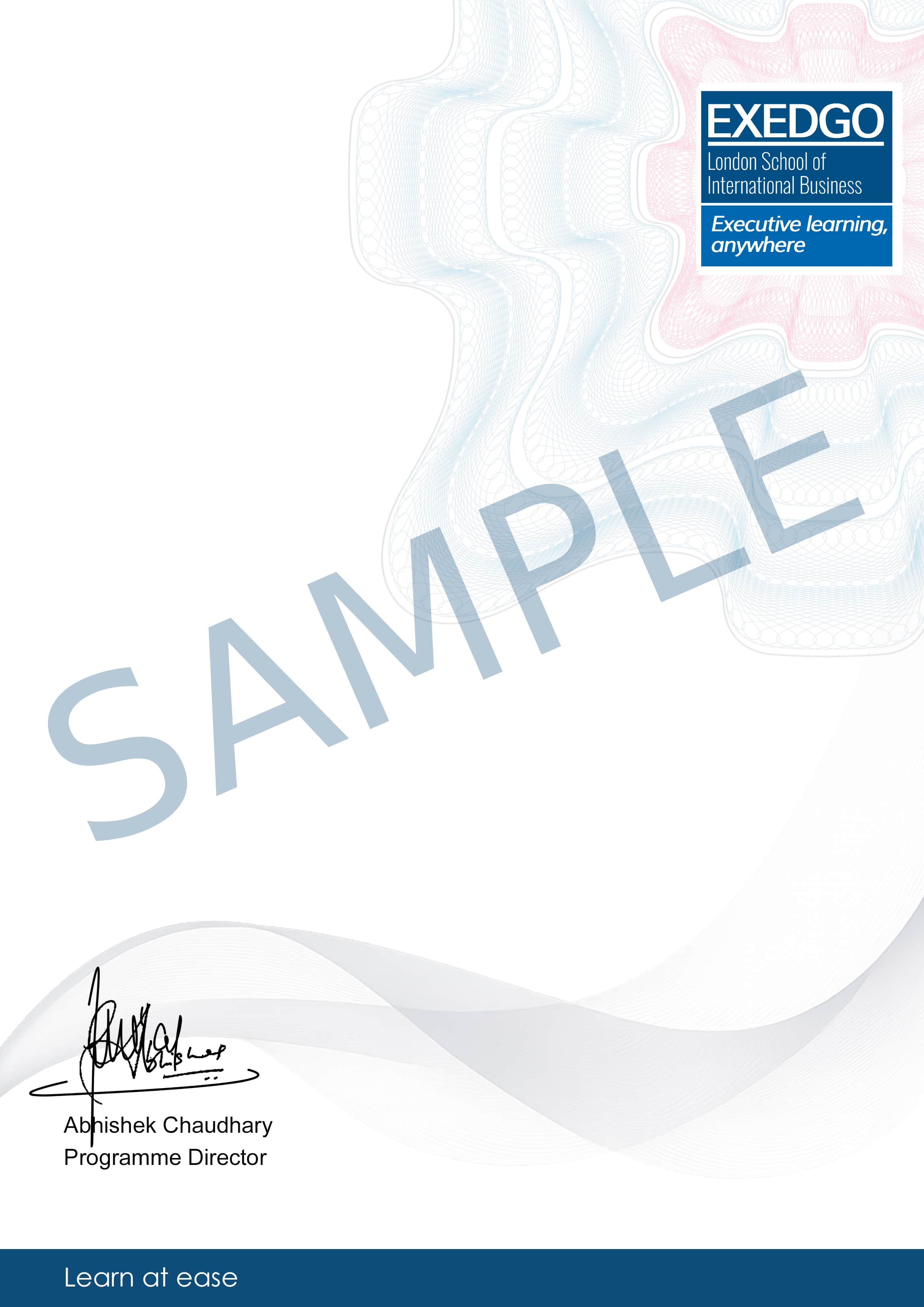
Upon successful completion of this course, you will receive a certificate similar to the one shown below:
No specific prior qualifications are required. However, basic literacy and numeracy skills are essential for successful completion of the course.
The course is self-paced and flexible. Most learners complete it within 1 to 2 months by dedicating 4 to 6 hours per week.
This course is not accredited by a recognised awarding body and is not regulated by an official institution. It is designed for personal and professional development and is not intended to replace or serve as an equivalent to a formal degree or diploma.
This fully online programme includes comprehensive study materials and a range of support options to enhance your learning experience: - Online quizzes (multiple choice questions) - Audio podcasts (expert commentary) - Live student support via chat The course offers maximum flexibility, allowing you to study at your own pace, on your own schedule.
Yes, the course is delivered entirely online with 24/7 access to learning materials. You can study at your convenience from any device with an internet connection.
Deep Learning Algorithms for Enhanced Data Analytics in AI
This course explores deep learning algorithms to enhance da…
Interactive Language Teaching Techniques for TESOL Educators
This course provides TESOL educators with advanced interact…
CertTEFL Online Course: Technology Integration in Teaching English as a Foreign Language
This course is designed for educators looking to enhance th…
Technology Integration for Teaching English as a Foreign Language (TEFL)
This course is designed to equip educators with the necessa…
Disclaimer: This certificate is not intended to replace or serve as an equivalent to obtaining a formal degree or diploma. This programme is structured for professional enrichment and is offered independently of any formal accreditation framework.