Searching for courses...
0%

Undergraduate Certificate Specialization in Power Systems for Electrical and Electronic Engineering Certification

This course offers a specialized focus on power systems for electrical and electronic engineering professionals. It is designed for engineers looking to deepen their knowledge and expertise in power systems, providing practical skills and insights for real-world applications. Participants will benefit from hands-on learning experiences and industry-relevant knowledge.

Last Updated: June 11, 2026

4.4/5

|

96 reviews

|

418 students enrolled

What you'll learn

Evaluate and manage environmental safety hazards
Implement safe chemical handling and storage procedures
Create and maintain thorough safety documentation systems
Conduct thorough workplace safety inspections and audits
Enrollment
Start Anytime
Duration
1 Month, extend up to 6
Study Mode
Online
Learning Hours
3-4 hours/week

Skills Gained

Compliance Professional Skills Assessment

Course Overview

Specialization in Power Systems for Electrical and Electronic Engineering Course Overview
This course offers a specialized focus on power systems for electrical and electronic engineering professionals. It is designed for engineers looking to deepen their knowledge and expertise in power systems, providing practical skills and insights for real-world applications. Participants will benefit from hands-on learning experiences and industry-relevant knowledge. This comprehensive course provides in-depth knowledge and practical skills in Specialization in Power Systems for Electrical and Electronic Engineering. It is designed to equip professionals with the expertise needed to excel in their field. Participants will benefit from a structured learning approach that combines theoretical knowledge with real-world applications, ensuring they can immediately apply what they learn in their workplace.

Key Benefits

Comprehensive, industry-recognized certification that enhances your professional credentials

Self-paced online learning with 24/7 access to course materials for maximum flexibility

Practical knowledge and skills that can be immediately applied in your workplace

Learning Outcomes

Design efficient power systems using industry best practices
Analyze and troubleshoot complex power system issues
Implement advanced power system protection techniques
Optimize power system performance and reliability
Evaluate and integrate renewable energy sources into power systems

Prerequisites

This course is open to all, with no formal entry requirements. Anyone with a genuine interest in the subject is encouraged to apply.

Who Should Attend

This course is ideal for electrical and electronic engineers, power system designers, energy consultants, and professionals seeking to specialize in power systems.

Course Content

Module 1: Fundamentals of Power Systems

Introduction to power system components, analysis techniques, and basic principles. Topics include power generation, transmission, distribution, and load characteristics.

Key Topics Covered:

Power Generation Technologies
Transmission Line Modeling
Load Flow Analysis
Fault Analysis

Module 2: Power System Protection and Control

Advanced topics in power system protection, relay coordination, and control strategies. Focus on ensuring system reliability and minimizing downtime.

Key Topics Covered:

Protection Relays
Fault Detection and Isolation
Automatic Generation Control
Voltage Regulation

Module 3: Renewable Energy Integration

Exploration of integrating renewable energy sources into traditional power systems. Emphasis on grid interconnection, stability, and energy management.

Key Topics Covered:

Solar PV Systems
Wind Power Integration
Energy Storage Technologies
Grid-Connected Systems

Module 4: Power System Optimization

Techniques for optimizing power system performance, efficiency, and cost-effectiveness. Includes load forecasting, demand-side management, and system planning.

Key Topics Covered:

Load Forecasting Methods
Demand Response Programs
Transmission Expansion Planning
Economic Dispatch

Module 5: Advanced Topics in Power Electronics

In-depth study of power electronics applications in power systems. Covers converters, inverters, and control strategies for efficient energy conversion.

Key Topics Covered:

Power Converters
PWM Techniques
Grid-Tied Inverters
HVDC Transmission

Module 6: Smart Grid Technologies

Overview of smart grid concepts and technologies transforming power systems. Focus on digital communication, automation, and grid modernization.

Key Topics Covered:

SCADA Systems
Distribution Automation
Microgrid Design
Cybersecurity in Power Systems

Learning Resources

Study Materials

This programme includes comprehensive study materials designed to support your learning journey and offers maximum flexibility, allowing you to study at your own pace and at a time that suits you best.

You will have access to online podcasts with expert audio commentary.

In addition, you'll benefit from student support via automatic live chat.

Assessment Methods

Assessments for the programme are conducted online through multiple-choice questions that are carefully designed to evaluate your understanding of the course content.

These assessments are time-bound, encouraging learners to think critically and manage their time effectively while demonstrating their knowledge in a structured and efficient manner.

Career Opportunities

Overview

Power systems engineers are in high demand across industries such as energy, utilities, manufacturing, and consulting. The field offers diverse career paths and opportunities for growth.

Growth & Development

Professionals can progress to roles like Power Systems Manager, Energy Consultant, Grid Operations Engineer, or Renewable Energy Specialist. Continuing education and certifications enhance career prospects.

Potential Career Paths

Power Systems Manager

Oversees design, operation, and maintenance of power systems to ensure reliability and efficiency.

Relevant Industries:
Energy Utilities

Energy Consultant

Provides expert advice on energy efficiency, renewable energy integration, and sustainability practices.

Relevant Industries:
Consulting Renewable Energy

Grid Operations Engineer

Manages grid stability, power flow, and system reliability in electric utility operations.

Relevant Industries:
Utilities Grid Management

Additional Opportunities

Professionals in power systems engineering benefit from networking opportunities with industry experts, professional certifications like PE licensure, advanced degrees for specialization, and industry recognition for contributions to sustainable energy solutions.

Key Benefits of This Career Path

  • High demand across multiple industries
  • Competitive salary and benefits
  • Opportunities for career advancement
  • Make a meaningful impact on workplace safety

What Our Students Say

Sakura Tanaka 🇯🇵

Electrical Design Engineer

"I learned advanced power system protection techniques that I can immediately apply in designing resilient electrical systems."

Rajesh Patel 🇮🇳

Renewable Energy Analyst

"This course equipped me with the skills to effectively evaluate and integrate renewable energy sources into existing power systems."

Emily Hughes 🇺🇸

Power Systems Maintenance Engineer

"The hands-on learning experiences helped me analyze and troubleshoot complex power system issues efficiently in real-world scenarios."

Luis Morales 🇲🇽

Power Systems Consultant

"Designing efficient power systems using industry best practices is now a seamless process for me after completing this course."

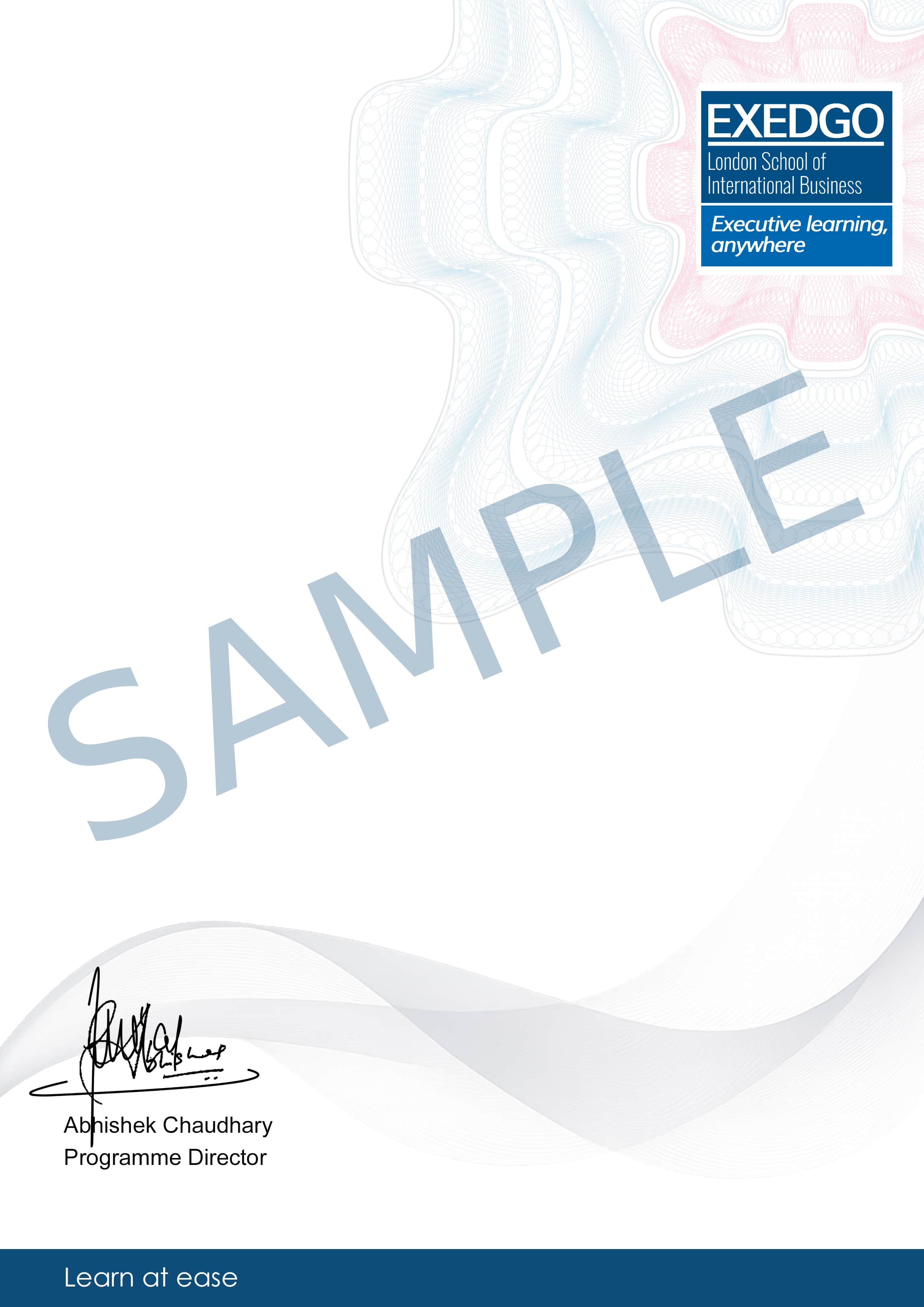
Sample Certificate

Upon successful completion of this course, you will receive a certificate similar to the one shown below:

Certificate Background

Undergraduate Certificate Specialization in Power Systems for Electrical and Electronic Engineering

is awarded to

Student Name

Awarded: June 2026

Blockchain ID: 111111111111-eeeeee-2ddddddd-00000

Frequently Asked Questions

No specific prior qualifications are required. However, basic literacy and numeracy skills are essential for successful completion of the course.

The course is self-paced and flexible. Most learners complete it within 1 to 2 months by dedicating 4 to 6 hours per week.

This course is not accredited by a recognised awarding body and is not regulated by an official institution. It is designed for personal and professional development and is not intended to replace or serve as an equivalent to a formal degree or diploma.

This fully online programme includes comprehensive study materials and a range of support options to enhance your learning experience: - Online quizzes (multiple choice questions) - Audio podcasts (expert commentary) - Live student support via chat The course offers maximum flexibility, allowing you to study at your own pace, on your own schedule.

Yes, the course is delivered entirely online with 24/7 access to learning materials. You can study at your convenience from any device with an internet connection.

You might also be interested in

Disclaimer: This certificate is not intended to replace or serve as an equivalent to obtaining a formal degree or diploma. This programme is structured for professional enrichment and is offered independently of any formal accreditation framework.

33% OFF

Complete Course Package

$299
$199.99
one-time payment

🔥 LIMITED TIME OFFER ENDS IN:

0
Days
:
0
Hrs
:
0
Min
:
0
Sec

What's Included:

Comprehensive course materials
Digital Certificate
No Exams, Just Online Quizzes
24/7 automated self-service support

Request Course Info

7-Day Money-Back Guarantee
New
Professional Certificate in Workplace Safety Management